


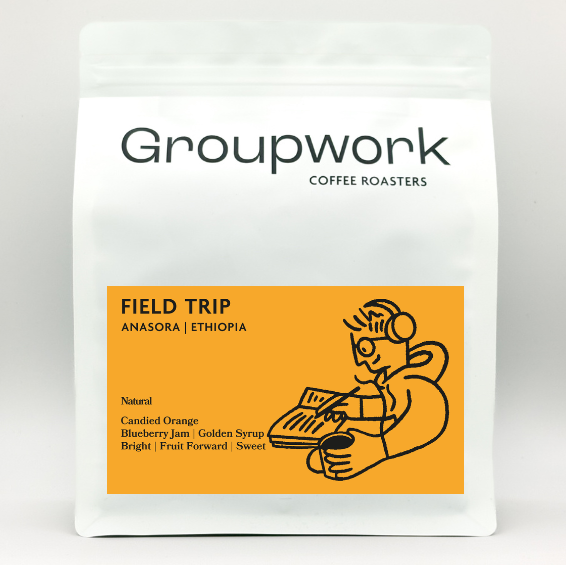
FIELD TRIP - ANA SORA | ETHIOPIA
A bold and distinctive coffee, ideal for filter brewing and adventurous espresso.


In the Cup
A sweet, fruit-forward natural profile:
- Candied orange
- Blueberry jam
- Golden syrup
A lush, jammy natural with vivid fruit and rich sweetness - a classic high-grown Ethiopian treat.

Anasora, South Guji, Ethiopia · 2,200–2,300 masl · Heirloom · Natural
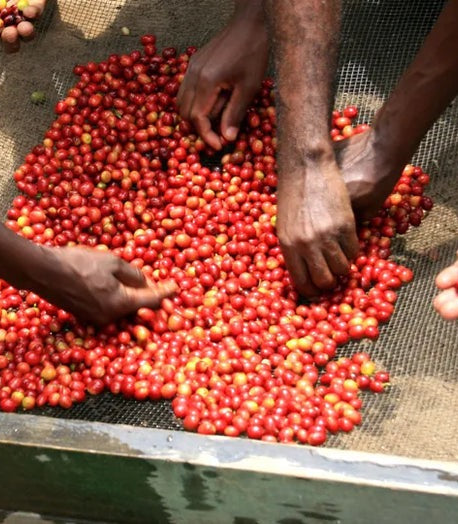
This natural lot comes from Anasora, in the South Guji Zone of southern Ethiopia, a highland production area around 478km from Addis Ababa, sitting at a lofty 2,200 to 2,300 masl. The climate is ideal for slow, even ripening: annual rainfall of 1,200 to 1,500mm, temperatures between 18 and 25°C, and well-drained, acidic red soils that suit the local heirloom varieties grown here. Coffee is cultivated as a semi-forest system beneath indigenous shade trees, with farms commonly intercropped with spices, tuber crops, and false banana, a reflection of the mixed farming traditions of the local communities. Only ripe red cherries are selectively hand-picked by outgrower farmers and delivered to the station during the November to January harvest.
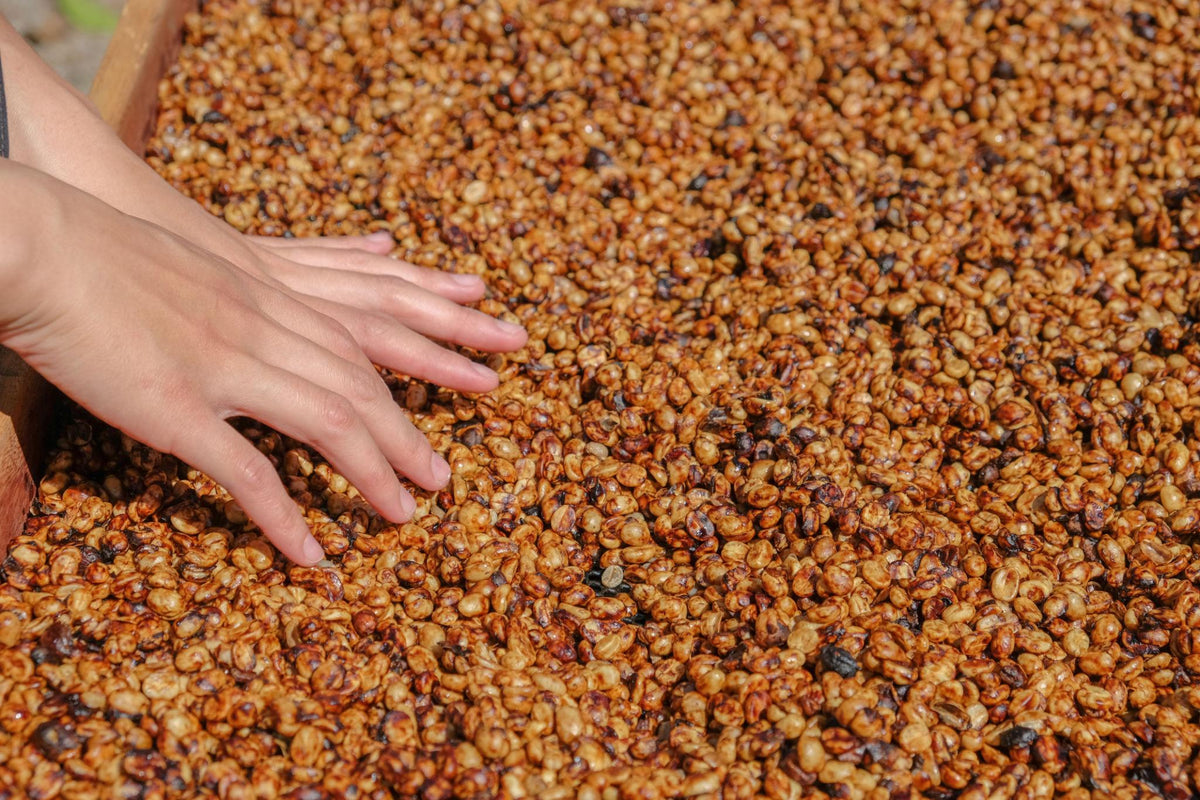

At Anasora, careful cherry selection sets the tone before fermentation and drying begin. On delivery, the cherries rest at an ambient 24°C for around 10 hours of aerobic fermentation in the warehouse, then move to African raised beds, built from bamboo, mesh wire, shade net, and plastic to dry slowly under natural sun. Drying takes three to four weeks, the whole fruit continuing to develop as moisture is gradually drawn down, with the cherries rotated regularly for even drying and to guard against spoilage. Once complete, the coffee is prepared to lot specification before milling and export, a natural that captures Anasora’s high elevation, selective red-cherry picking, and patient whole-cherry drying..
In the Cup
A sweet, fruit-forward natural profile:
- Candied orange
- Blueberry jam
- Golden syrup
A lush, jammy natural with vivid fruit and rich sweetness - a classic high-grown Ethiopian treat.
Anasora, South Guji, Ethiopia · 2,200–2,300 masl · Heirloom · Natural
This natural lot comes from Anasora, in the South Guji Zone of southern Ethiopia, a highland production area around 478km from Addis Ababa, sitting at a lofty 2,200 to 2,300 masl. The climate is ideal for slow, even ripening: annual rainfall of 1,200 to 1,500mm, temperatures between 18 and 25°C, and well-drained, acidic red soils that suit the local heirloom varieties grown here. Coffee is cultivated as a semi-forest system beneath indigenous shade trees, with farms commonly intercropped with spices, tuber crops, and false banana, a reflection of the mixed farming traditions of the local communities. Only ripe red cherries are selectively hand-picked by outgrower farmers and delivered to the station during the November to January harvest.
At Anasora, careful cherry selection sets the tone before fermentation and drying begin. On delivery, the cherries rest at an ambient 24°C for around 10 hours of aerobic fermentation in the warehouse, then move to African raised beds, built from bamboo, mesh wire, shade net, and plastic to dry slowly under natural sun. Drying takes three to four weeks, the whole fruit continuing to develop as moisture is gradually drawn down, with the cherries rotated regularly for even drying and to guard against spoilage. Once complete, the coffee is prepared to lot specification before milling and export, a natural that captures Anasora’s high elevation, selective red-cherry picking, and patient whole-cherry drying..
Details
Ethiopia
South Guji Zone of southern Ethiopia
Anasora
Natural
Heirloom
2200 MASL
From Pillar to Roast
Find your new favourite coffee using our eight pillars.


Home Brew Guides

A versatile, manual coffee maker designed for rapid brewing using a combination of immersion and air pressure.

A manual, pour-over style coffee maker made from a single, hourglass-shaped piece of glass. It uses specialised, thick paper filters that remove most oils and sediment.

A simple, manual coffee maker that uses an immersion brewing method, where coarse coffee grounds steep directly in hot water before being separated by a metal mesh plunger.

For home espresso machines that include a portafilter for espresso extraction and a steam wand for frothing milk.